A conversation with Natacha Amaya, editor of Dospájaros, about handmade books, slowness, bibliodiversity and care.
The conversation with Natacha Amaya did not begin at the beginning. It did not end with a neat conclusion either. It was a table conversation: books, Venezuela, Uruguay, politics, fixed book pricing, bibliodiversity, printers, paper, work, names, mistakes and the desire to make things.
That is why this interview does not follow the chronology of the recording. It is arranged by subject. It is not a literal or stenographic transcript, but an edited reading version made from the literal transcript. Blocks were reordered, repetitions and overlaps were cleaned up, names were corrected and the voice was preserved: the movement of her thinking, the corrections, the laughter, the way one idea opens into another.
At the center there is a sentence that gives the whole conversation its pressure:
“The book has an aesthetic mood.”
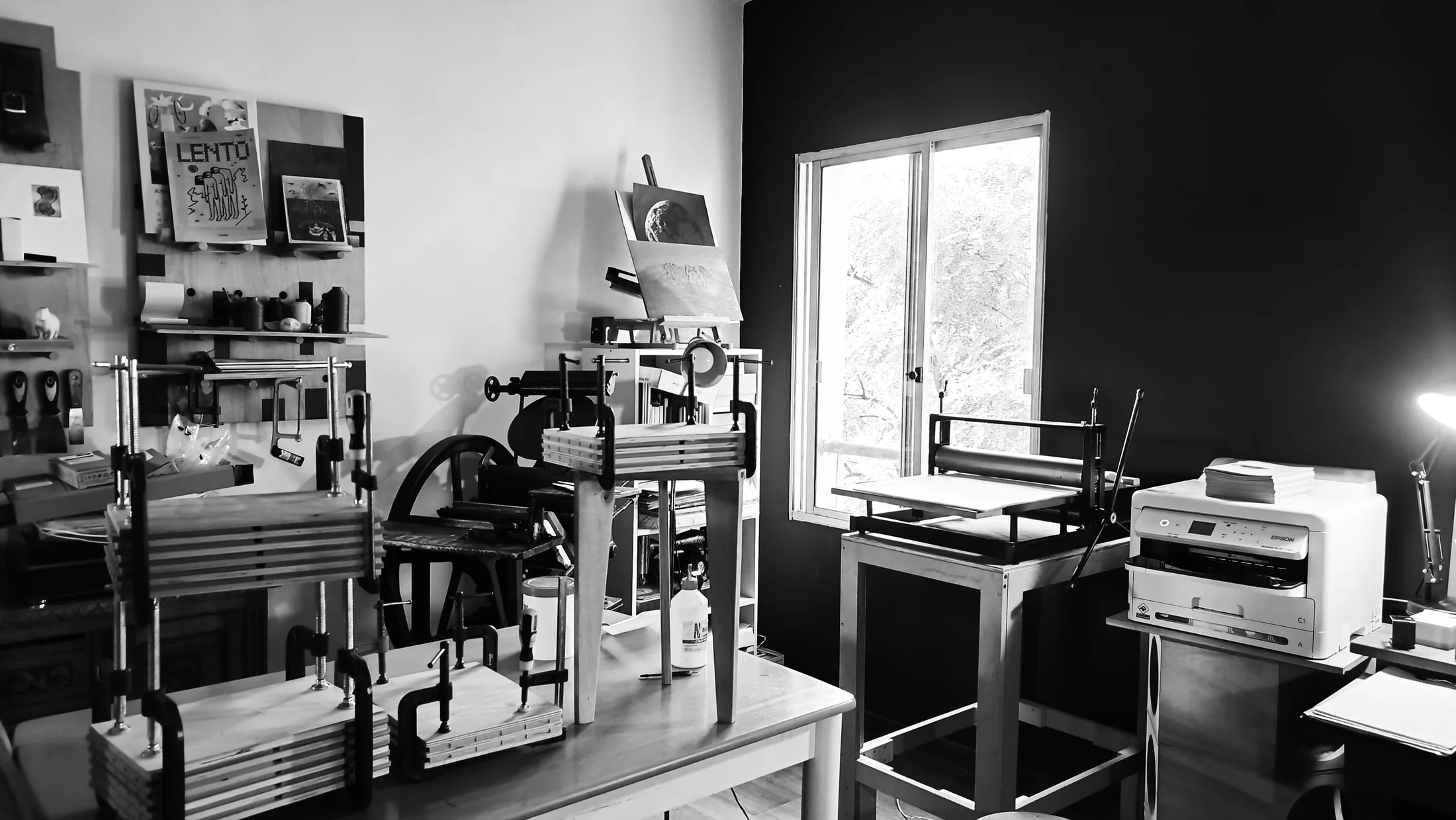
Natacha: I do not think the book is a decorative thing, or a luxury for exquisite editors. But I do pay a lot of attention to the form of the object. Each book asks for a material, a scale, a speed and a particular way of existing. That is why it seems wrong to me when all books look the same.
The minimum scale
Martín: Dospájaros begins in 2021. What was that beginning like? It does not seem to have started as a publishing house with an expansion plan, but rather as a possible scale of work.
Natacha: I began very timidly, with two titles, actually two plaquettes that were not quite books. That decision answered to my pocket. A plaquette is three or four folded sheets, and that is it. It was something I could manage, something economically possible. After those first experiments I spoke with Venezuelan editors, with Ricardo Ramírez Requena, director of La Poeteca, one of the few institutions that continues to work in Venezuela. I told him: “I want to start this project, but I need help finding writers who are producing work and are ready to publish.”
He recommended the first two titles in the Diaspórica collection for Venezuelan writers: El otro hemisferio, by Jacobo Villalobos, a young writer who had won a prize in Venezuela and was living in Chile, and La mordedura tajante, by Ricardo Cie, a very interesting humorous book. That is where it started.
Very quickly came the errors, the things one should have done differently, the regrets and the stumbles. I do not regret any of the Venezuelan titles, but I do regret other decisions.
Martín: There is something interesting there: you do not begin by saying, “I am going to build a large publishing house.” It begins more as a trial.
Natacha: It was born very naively. In fact, I did not think I was going to make books. I thought I would make prints, which is one of my professions, and plaquettes. But when I started to become more rigorous about the titles, I started to ask myself what I really wanted to do. And when I thought of it as a collection of little-read voices, Venezuelan writers, I said: no, I do need to make books.
I have always thought about the relationship between gastronomy and editing. Nobody who wants to start a restaurant or a hot-dog cart makes a lot of food only to throw it away because it does not sell. Paradoxically, that is how the publishing business often works, and it seems absurd to me. The goal was to be more coherent and more logical: make books on a small scale, what we can really sell and distribute. If we can sell 100 books, 200 books, then let us make 50, 100, 200. Not more than that.
Martín: Is selling 100 or 200 books difficult?
Natacha: With Venezuelan literature, yes. In Uruguay very little literature is read if it does not come from Spain, Argentina or Chile. And I say Chile carefully.
Naivety also edits
Martín: You have used the word “naive” several times. Do you mean it as a flaw?
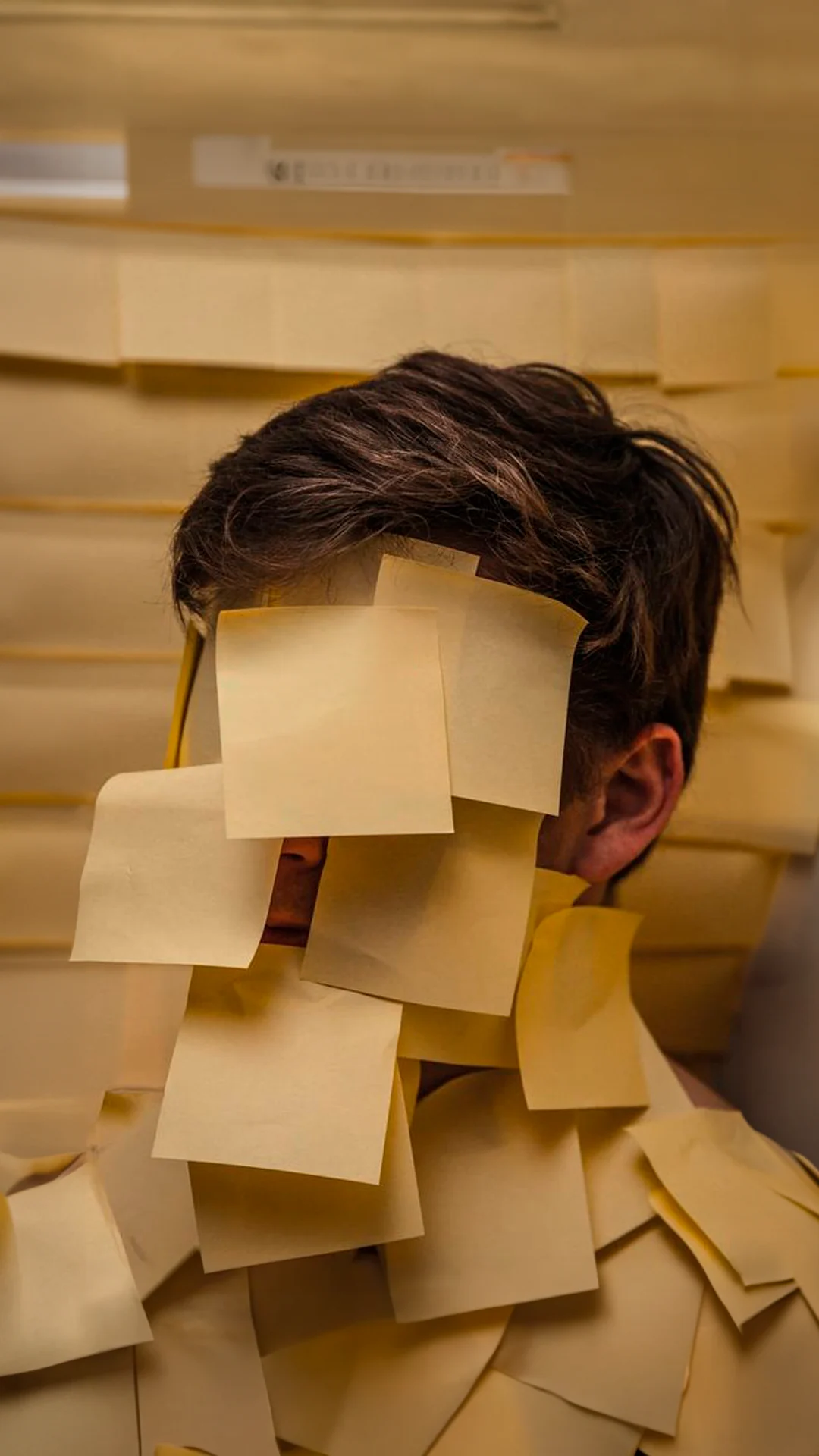
Natacha: Not necessarily. These are things that happen when you are doing something alone. You also have to make mistakes. Nobody taught me to be an editor; you become one on the way, and of course that brings a backpack full of errors.
Martín: You learn while moving.
Natacha: In Venezuela I had made some book experiments with a friend who taught at the same faculty as I did. We made one book, also by hand, and it was much more rushed than what I started to make here.
That is how the project began: quite naive, yes. Again, jaja.
Martín: I am interested in that, because it does not sound like foolish naivety. It sounds more like starting energy.
Natacha: It is very natural for Venezuelans. That is idiosyncrasy. Venezuelans are people who will almost never say no as a first answer.
Martín: Here it is the opposite. Here the first move is to put a stick in the wheel.
Natacha: Exactly. It happens with my partner. I start doing something and she says: “be careful.” My girlfriend is Uruguayan, and we live with that friction. I want to move forward, and she says: “stop, stop, do not go so fast.” But it is good, because she brings me down to earth. When something really gives me doubts, I consult her, because usually she will say: “yes, that is true, you are right, leave it there, or that is not the way.” But when I am in the germ stage of creating something new and I need momentum, I do not tell her anything. I know the first answer will be to put all the difficulties in front of me. And I already have those difficulties in mind. So I save her opinion for later.
Publishing a literature others do not expect
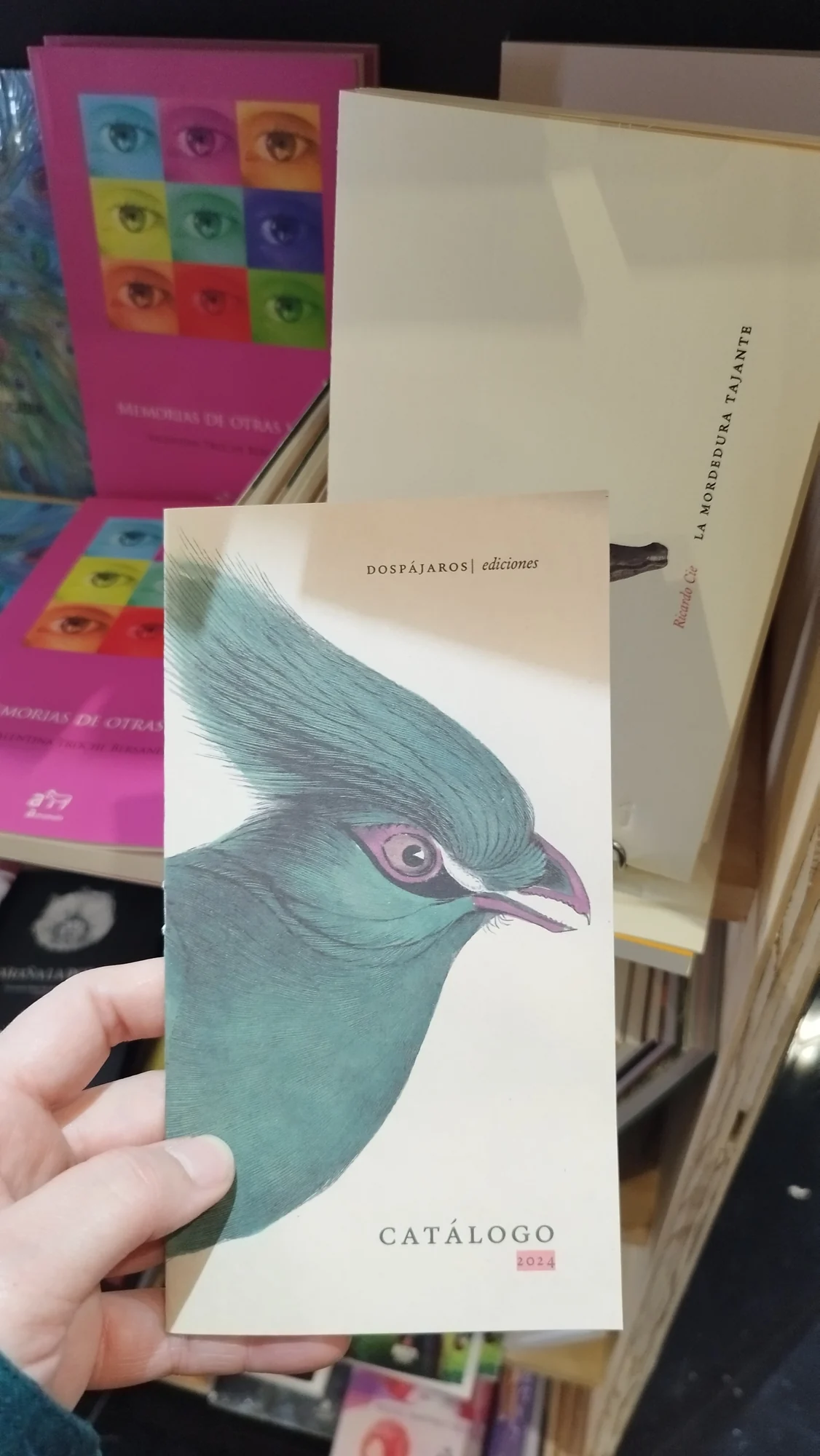
Martín: Your project was also born from wanting to make visible Venezuelan talents who could not publish or were not circulating. Are there other projects working in that direction outside Venezuela?
Natacha: Yes, luckily now there are more. There is a very interesting project called Arraigo, in Spain, and it is strange how much it resembles Dospájaros. Oriana is the editor. The two projects began the same year without knowing each other: hers in Spain and mine here in Uruguay. We both work in gastronomy to sustain the project, and we both bet on Venezuelan literature. She told me she had done a master’s degree in publishing and had to present a final project. She presented Arraigo, a Venezuelan literature project, and her professors told her: “this is all very good, but you will not be able to carry it out here.”
Martín: Why?
Natacha: Because they told her that in Spain people do not read Venezuelan literature. “What Venezuelan population do you have here?” they asked. Even when she presented statistics showing that there was a significant diaspora, authors and interesting work, they told her no. If she wanted the editorial project to work, she had to publish Spaniards.
She insisted: “no, I want to publish Venezuelans.” And she is publishing Venezuelans. She is already in the fifth or sixth year. She is much more radical than I am, because Dospájaros has a mixed catalogue: I publish Uruguayans and Venezuelans. She has dedicated almost ninety percent of her work to Venezuelan authors.
I think these projects are born from the naivety of wanting to contribute something positive without fully knowing what you are getting into. From that tireless Venezuelan spirit of making things, especially when you come from a context where so much has been taken away from you: freedom of expression, economic means, so many things.
The story that cannot be read aloud
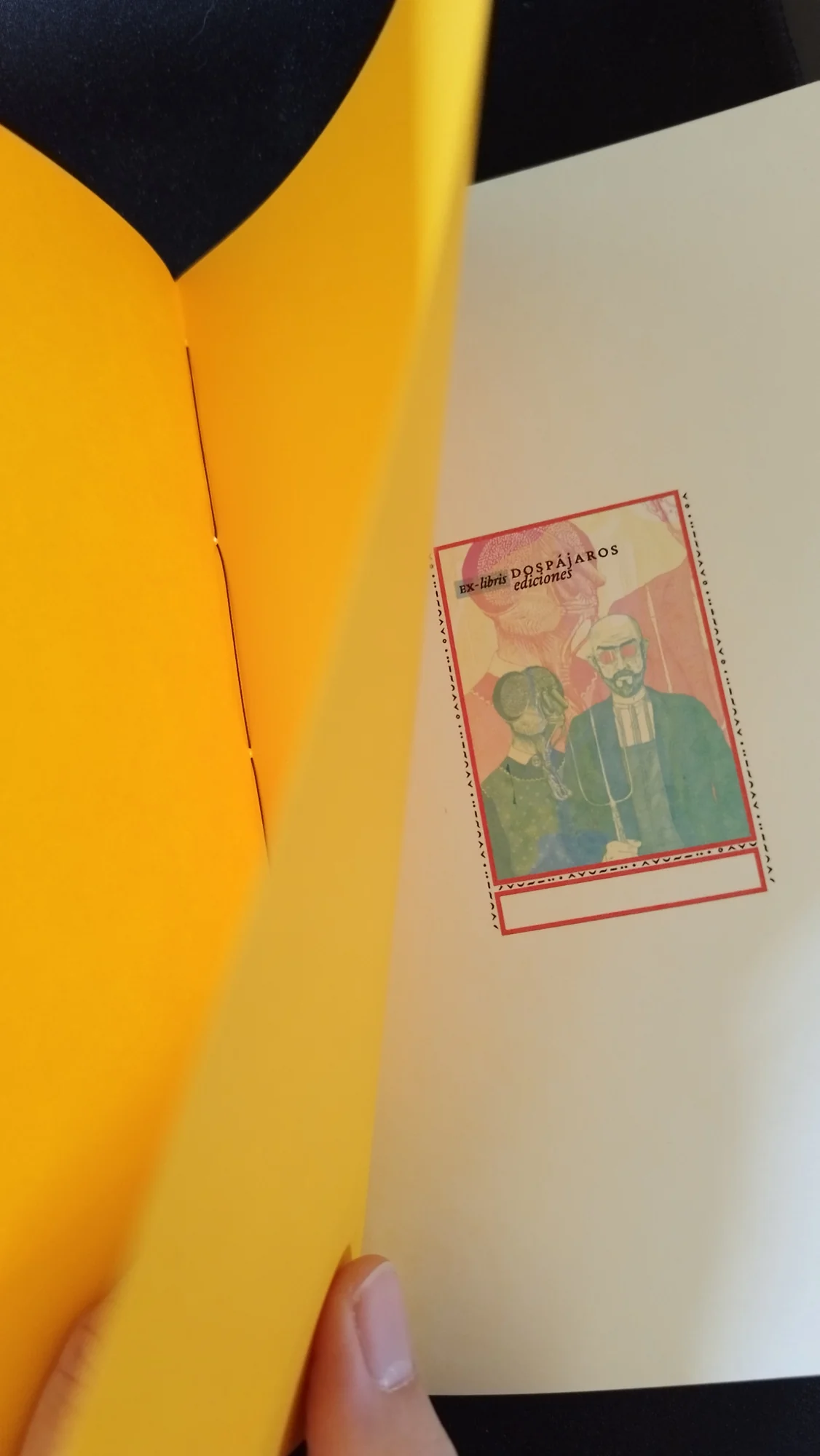
Martín: But they cannot take away creativity. Is there censorship in art in Venezuela?
Natacha: Yes, of course there is censorship. I can answer with an anecdote. We published Ricardo Cie, the author of La mordedura tajante, who still lives in Venezuela. It is a humorous book, but also a book of great stories. Some stories criticize Maduro and the political situation. In one of them, for example, the character wants to kill Maduro: he dresses up as Santa Claus and goes to the government house with that plan.
Martín: Wow.
Natacha: Since the story was set in December, I said: “Ricardo, why do we not read the story in December and promote the book at Christmas?”
And he said no. He said: “Nata, the thing is that I cannot read that story from here, from Venezuela.”
So when you ask me whether there is censorship, that is a minimal fact, a small thing. Then it became worse. After the 2024 elections, there was an uproar, people were in the streets, and the police could check your phone to see whether you had WhatsApp or Instagram conversations against the government. They can put you in prison if they find something, and the number of political prisoners is immense.
That is the level. There is censorship of every kind: from the most hidden to the most aggressive and savage. It is not a free country. That is why migration has been excessive over the last fifteen years.
Conversation against the jersey
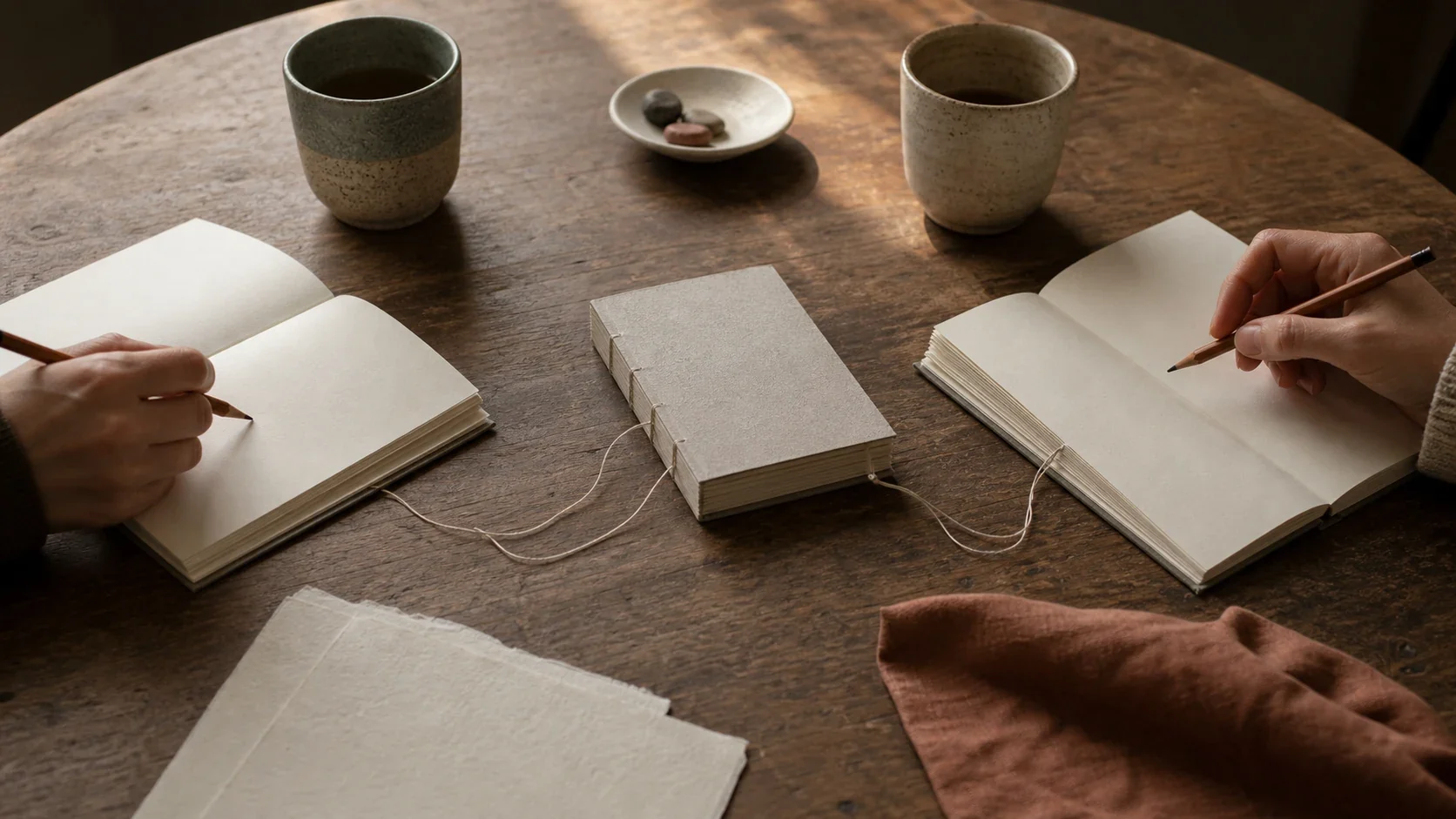
Martín: Something that caught my attention was that you wrote to me because you were interested in talking. Not necessarily agreeing. Talking.
Natacha: Because what democracy should really do is promote diversity of thought, critical thinking. Democracy is not the fiction that we all think the same. First, because that is impossible. Second, because that uniformity of thought is flat and ignorant.
What makes democracy, knowledge and movement possible? Plurality of thought, and the ability to sit at a table and talk about differences. Maybe we do not find points of agreement. That is another problem: believing that we have to discuss in order to find similarities. Maybe not. But the conversation should exist anyway. And I see this not only in Uruguay, but everywhere: people are increasingly radicalized.
Martín: As if one could not talk with someone who thinks differently. It becomes a jersey.
Natacha: Exactly. If I think fixed book pricing is necessary, I cannot talk with someone who disagrees. It is posed as dogma. The same happens in politics. If you are on the left and question something on the left, or if you are on the right and question something on the right, people feel attacked, as if it were personal. They do not analyze the argument. When the question becomes “which side are you on?” or “who are you playing for?”, that is a displacement of the discussion. It moves the focus somewhere irrelevant. It is the non-answer to the concern, and the cancellation of critical thought.
Martín: There is a difficulty in staying with the point.
Natacha: Yes. Totalitarianism is not only a formal or institutional dictatorship. It also begins in the way we communicate. When two people cannot naturally sit down and talk about their differences. We have to get used to debate, to listening to people ideologically opposed to us and letting them develop their idea. The counterargument can come later, but first one has to listen.
Fixed price and hollow words
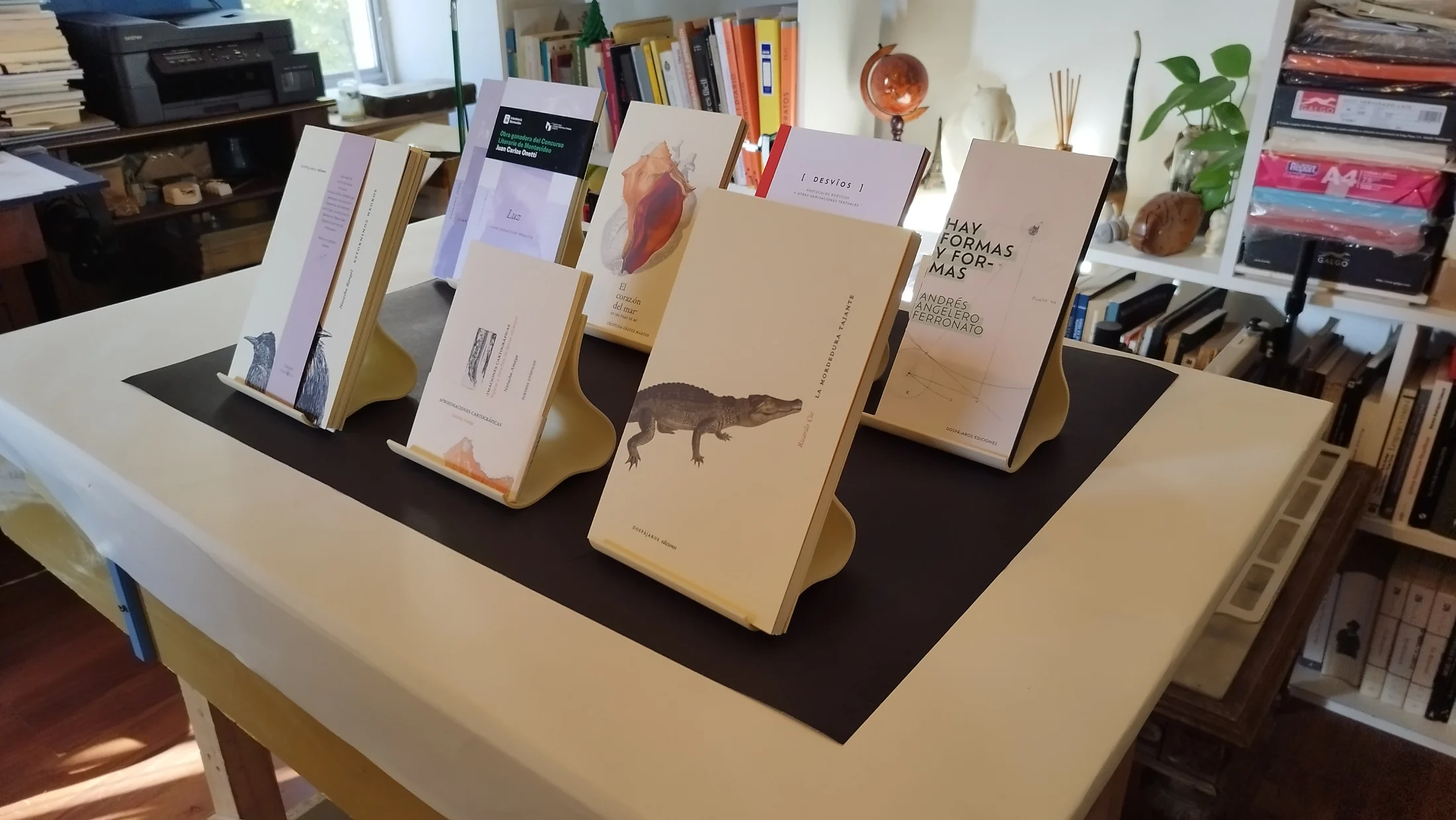
Martín: In the Uruguayan debate over fixed book pricing, one slogan was “books are bought in bookshops.” But there are also bookshops in the interior, Instagram, and bookshops without a physical store.
Natacha: Exactly. Books are bought on Mercado Libre, Buscalibre, at fairs, on Marketplace, directly from an editor or publisher. People buy through those platforms because of the breadth of the offer, and I am not referring to price, but to the type of books. Books on editing, for example, can only be found abroad. A debate that involves public libraries, readers, publishers and a larger problem in Uruguay, bibliodiversity, was reduced to one guild.
Fixed pricing may regulate certain things, but many things remain outside. What are we going to do with those things? The problem is that the debate does not exist, or is not understood.
Martín: The only thing they announced was a graphic: “books are bought in bookshops.” And that sentence is false. They are not bought only in bookshops. The word bibliodiversity was also used a lot.
Natacha: Yes, but if everyone sells the same thing, that bibliodiversity does not exist. Uruguay lacks bibliodiversity, even if it sounds exaggerated to say it, and it also lacks librodiversity,1 another very important term that nobody discusses.
Martín: Adding a coffee counter is not enough to say there is bibliodiversity. Maybe there is coffee-diversity, different beans, but if the catalogue is the same, your only difference ends up being price.
Natacha: Yes. That clouds the discussion and pushes some independent bookshops toward fixed pricing. We would have to review the cultural agenda of independent bookshops. A cultural agenda lets you remain current, in circulation, in a circuit, and generating money. Having a bookshop is not simply opening the shutter and passively waiting for readers to arrive.
The book is not letters glued together
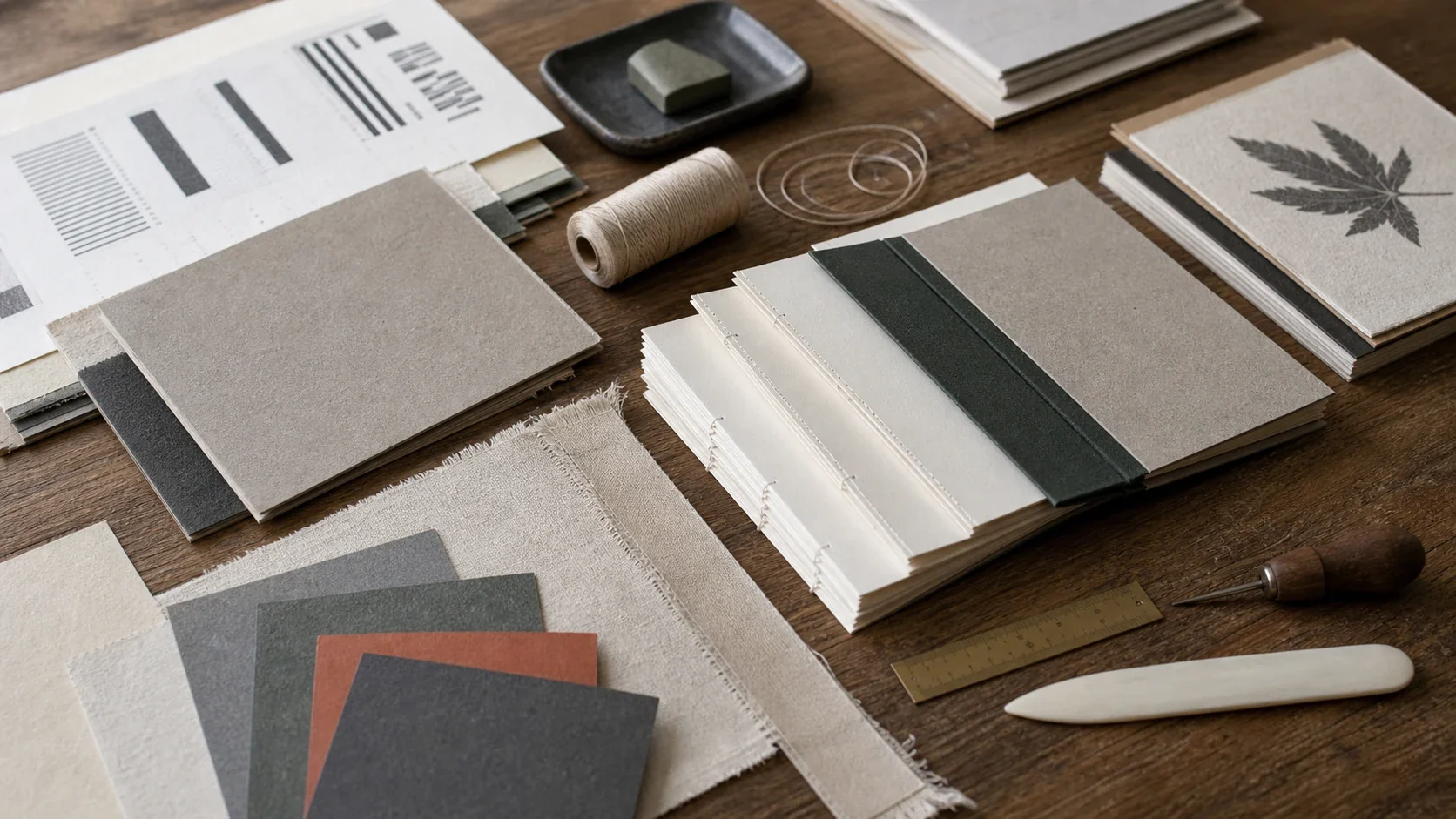
Martín: That brings us back to the object. Sometimes people speak about books as if they were glued letters: pages, cover, text. But there is typography, criterion, paper, binding.
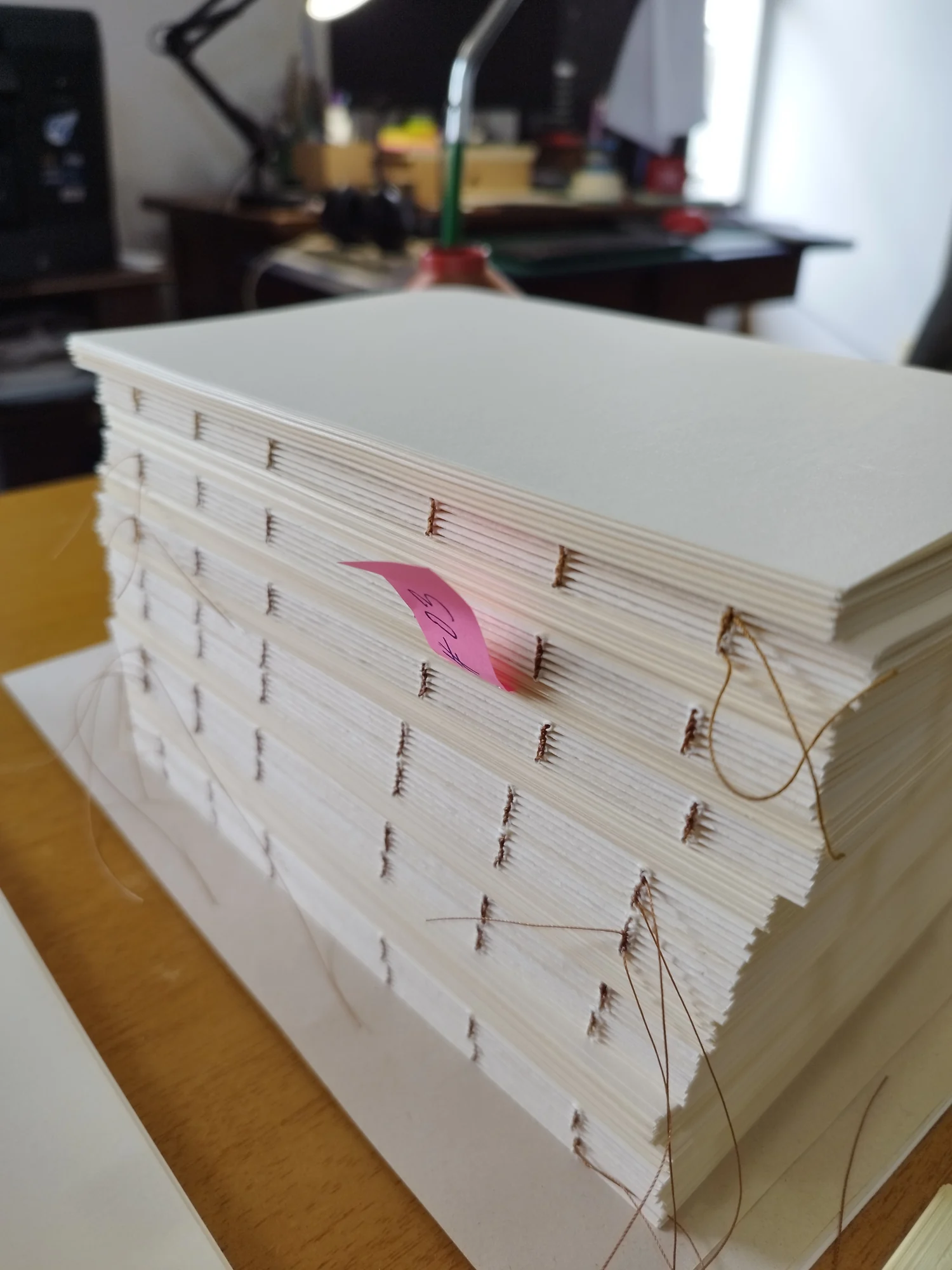
Natacha: It is art. The book has an aesthetic mood.
Martín: That sentence has to come out.
Natacha: It is true. Each book has its own mood. The role of a good editor is to find that mood and heighten it. To find it and say: “this is a gothic book” or “this is a tender book”; let us make that visible. Not everything can be edited in the same way. Uniformity applied to editing seems to me a great mistake. That is why I am against thinking of collections from an aesthetic point of view. Some contemporary editors are already discussing that view; I think that criterion is becoming old. Maybe a collection can be thought more from content or theme than from a rigid visual identity.
You cannot propose that books be the same, because writers are not the same. The moods and situations of books are not the same. You have to enter that world. And it is complex, because even the actors themselves do not understand it. Editors do not understand it; writers do not understand it. That is why it is an uphill battle.
The sausage machine
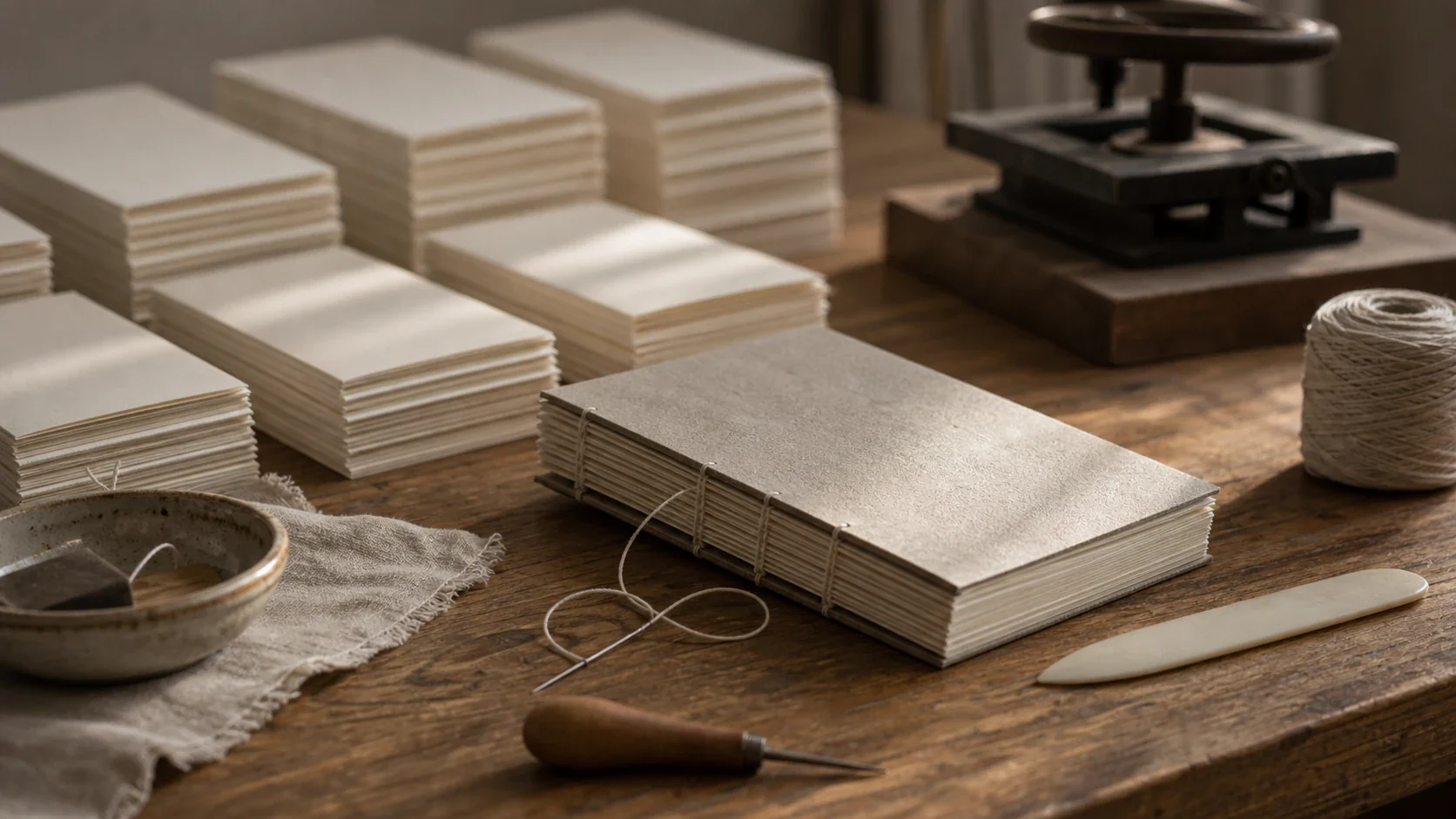
Martín: To find that mood, one needs time.
Natacha: Of course. To find the support, you also need time: reading the manuscript, reading the writer, having sensitivity.
The image that orders this part is precise: the book cannot be treated like a sausage machine. The system pushes you so that the book has to be ready in six months, in five months; the writer asks when it will come out. But there are things that take time, and we often do not understand how time works.
One has to start seeing the book beyond the obvious, beyond its rectangular form. It is an artistic, expressive, literary, aesthetic and even political device. When you understand that weave, you understand its temporal complexity.
Martín: Slowness appears a lot in your discourse.
Natacha: Making a book is a long process. Technology has accelerated it, of course. But making a book is so complex that you could take three, four, five years if you wanted to do it in the most exquisite way possible. I once read about an editor who died without finishing a book, and the project passed to his son. Books, at the beginning, could be life projects.
Of course times have changed. We are not going to fall into that excess, and we are not in the age of movable type. But the book is something that needs time, breath, its way of being made and cooked. I like that way of working on something almost forever, permanently.
And in 2026 it is difficult to understand slowness, taking a breath, because we do not apply it even to our own lives. We arrive everywhere quickly, always against the clock. If you want to eat, PedidosYa is at hand and in five or ten minutes you have hamburgers ready. Everything is like that. We live in a very accelerated world.
Martín: Do you think of Dospájaros as a form of resistance to that logic?
Natacha: “Resistance” is a large word. What appears in the conversation is another scale: alternative, minimum space, questioning, a different logic of functioning. What interests me most is that uniformity bothers me. Uniforms bother me too, military and police uniforms, school and work uniforms. I feel they standardize personality. It cannot be that everyone does the same thing: the same printer, the same kind of books, the same paper, the same cardstocks, the same authors because they are the ones that sell. There have to be alternatives.
Not everything handmade is good
Martín: The handmade has an aura, but a distinction is needed: not everything handmade is good.
Natacha: Not everything massive is bad and not everything handmade is good. That brings us back to the point of this conversation: radicalisms are bad. When you cannot understand that inside a situation there is a scale, that some things are good and others are bad, you simplify everything. I am not hypercritical of large publishing structures. I think Penguin Random House and Planeta have to exist. But they cannot be the only ones. Nor should they be the owners and masters of the world of books, as they position themselves. They have absorbed catalogues. They have bought publishing houses.
Martín: And then the question is whether those collections will continue or whether they will only reprint what already works and sells.
Natacha: Exactly. Usually they follow what is commercially correct.
Martín: Many publishers were born by taking risks.
Natacha: Yes. They were born with notions of freedom that I do not know if they still sustain. Another complexity of an editorial project is maintaining and sustaining the discourse over time. Some people begin one way and then grow and become something else. I am not saying whether that is good or bad. What I can say is that diversity is always good, and that sustaining ideals and beliefs before different panoramas is not easy.
When one proposes a project of this kind, one is thinking about diversity: economic, political, social and cultural. If we really believe in democracy and human freedom, diversity matters. The monolithic, the static, the uniformed belongs to the category of the sectarian, of reduced circles. If one wants to speak of culture as an open door to large things, then one has to think of several projects of different dimensions, different print runs, different forms, all conversing and coexisting.
Diversity without misery
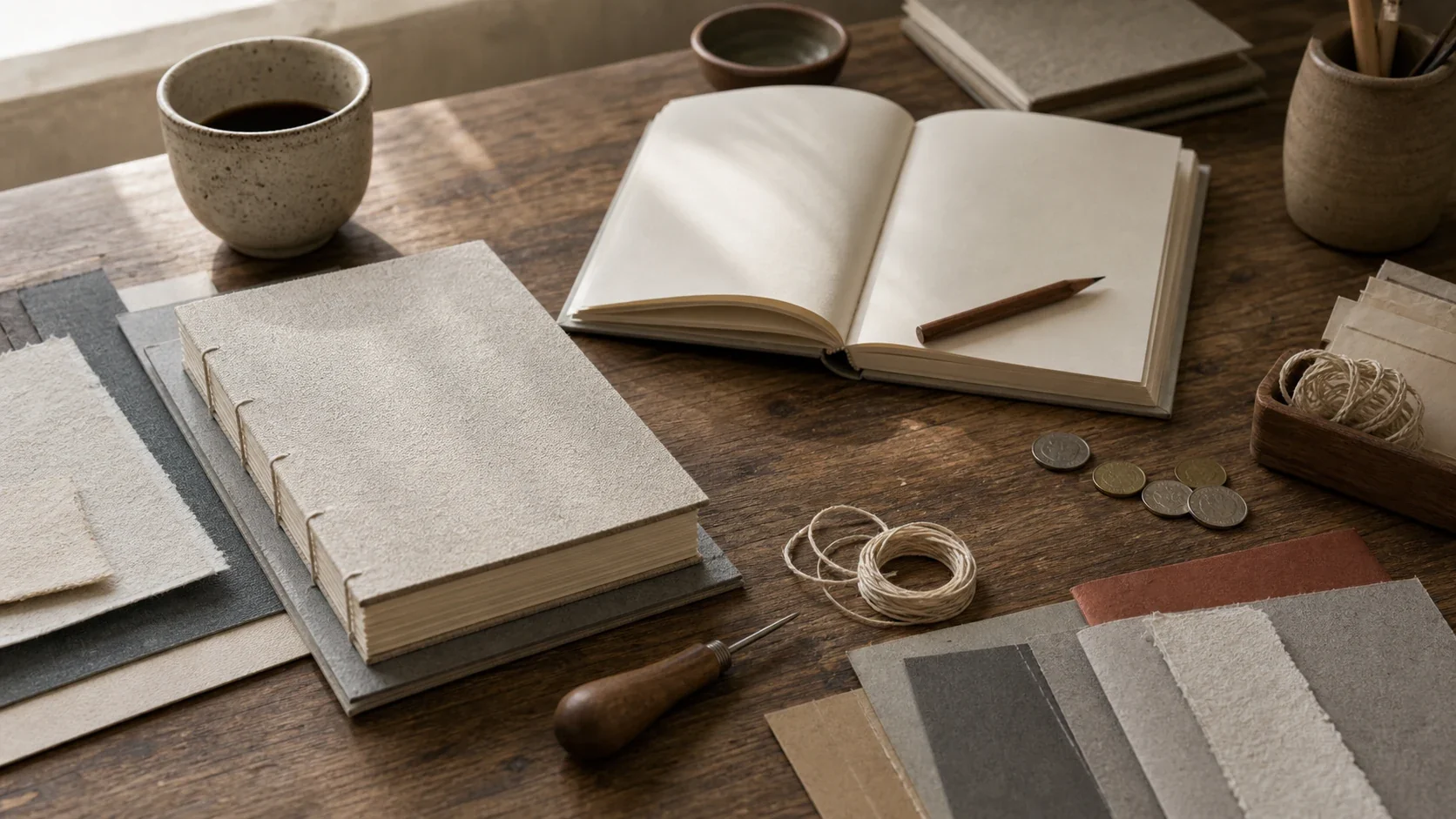
Martín: This is also work. One has to eat.
Natacha: Yes. Although I have never approached cultural projects with exclusively economic goals, I do not romanticize precariousness either. Whenever I work with colleagues I pay their fees and try to make them as fair as possible, even though Dospájaros is a mini, micro publishing house. I never ask for things for free, and I try to make my team economically satisfied. I always ask the money question: How much do you want to earn? How much does this cost?
Neither one extreme nor the other. Neither precariousness, nor romanticizing the idea that art workers are starving and never have anything. That seems very wrong to me. But not the other level either: “I do not care, this has to sell and I publish whoever, wherever, however.” Then the criterion is reduced to that: “this has to sell,” and it forces you to do things you do not want to do. It turns you into a sausage-machine of books.
Dospájaros, the name written together
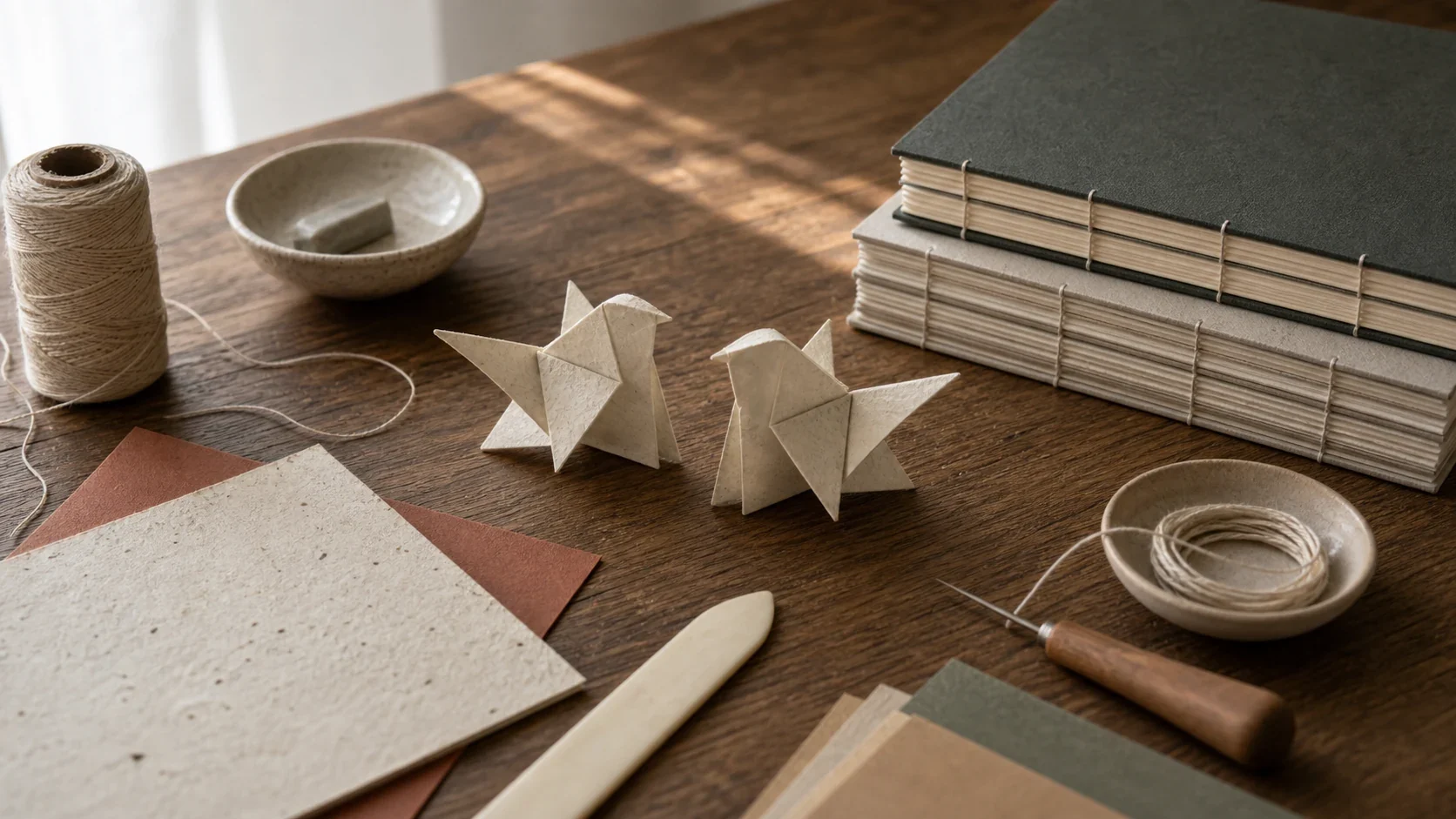
Martín: Why did you call it Dospájaros?
Natacha: I do not know. I remember that once I was sleeping and worried about the name. I had nothing. And I woke up saying: Dospájaros, semicolon.
Martín: That is very Venezuelan.
Natacha: Yes. And very much the sort of thing an insomniac person does, going to bed worried. Later I found an argument for it.
Martín: But it was spontaneous.
Natacha: Yes, completely, almost dreamlike, jaja.
A series on books
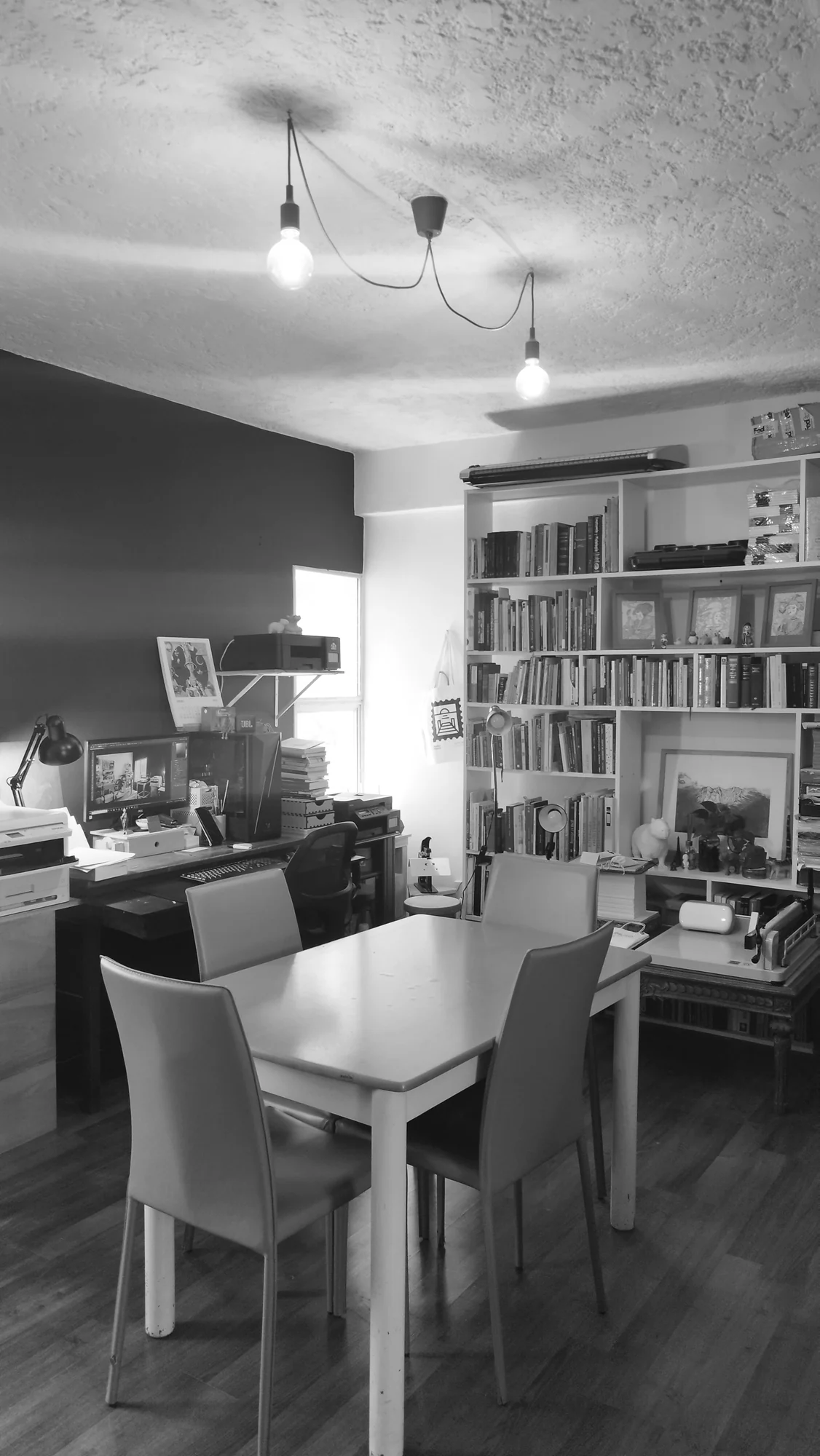
At the end of the recording, when the conversation was already dispersing into the bathroom, the photos and the books left on the table, a possible closing sentence appeared.
Martín: There is material here. I would like to have more conversations later. To make a series. This has to be a series about books; it does not have to be only one conversation.
That may be the best way to close this first conversation with Natacha Amaya: not as a conclusion, but as an opening.
A series about books.
About books that do not want to be only content.
About books that ask for paper, time, form, conversation and care.
About books that still need to be cherished.
Footnotes
-
Natacha uses “librodiversity” to name the material and aesthetic diversity of the book as object: formats, papers, bindings, scales and modes of existence, not only variety of titles or catalogues. ↩